SKU structure
Every sellable variant needs an unambiguous identifier so similar garments and sizes cannot be confused.
Merch fulfillment in Chicago
Production is not complete when the ink cures. We turn finished merchandise into organized inventory, accurate orders, consistent packages, and trackable handoffs for launches, teams, events, and direct-to-customer distribution.
 CAOS CREATES / CHICAGO
Beyond the production run
Fulfillment connects inventory to an actual recipient. That means each style, color, and size needs a dependable identifier; order data must be complete; packaging rules must be documented; and exceptions need a clear path before labels are purchased.
We plan fulfillment while the merch is still in production so folding, bagging, labels, inserts, bundles, and carton logic do not become last-minute surprises. The goal is simple: the right item, in the right package, moving to the right place.
 ACTUAL CAOS WORK
From our shop
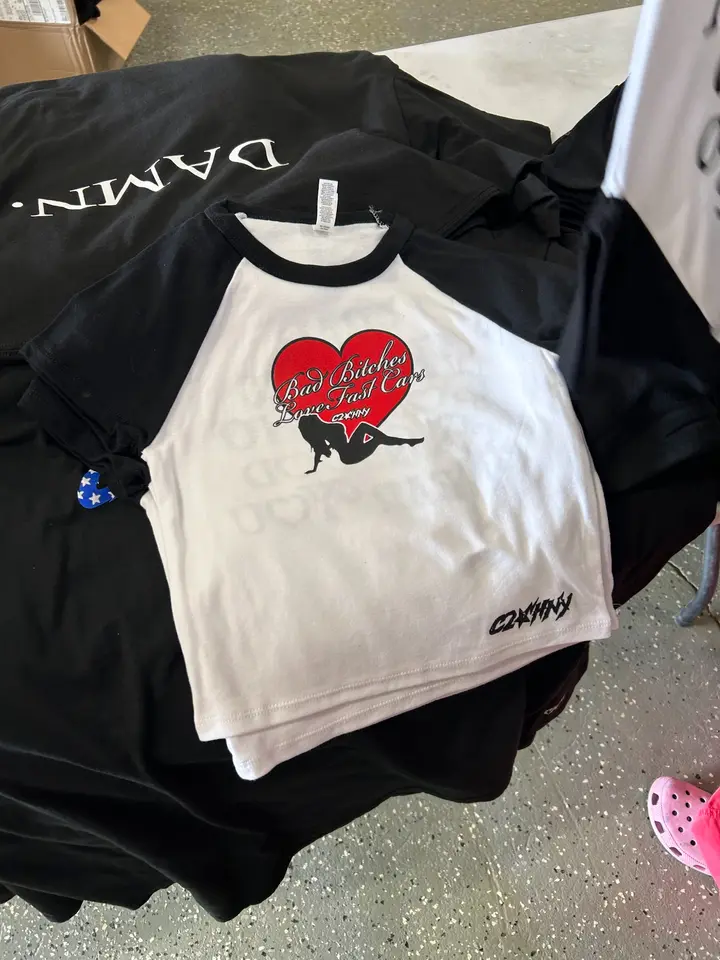
Printed pieces move through inspection and the agreed packing workflow before pickup, shipping, or fulfillment.
View the production piece Make Something Like ThisInside the work
We define channels, destinations, SKU logic, package style, inserts, service level, return address, and launch timing.
Goods are folded, bagged, tagged, labeled, or bundled as scoped, then organized by style, color, and size.
Recipient names, addresses, SKUs, quantities, and special instructions are validated before release.
Each order is selected from organized inventory and checked against its packing record.
Approved packaging, inserts, protection, and shipping labels are applied consistently.
Packages move to the carrier, tracking is recorded where supported, and remaining inventory or exceptions are reconciled.
Expert production choices
Accuracy depends on clean data and agreed rules as much as careful packing.
Every sellable variant needs an unambiguous identifier so similar garments and sizes cannot be confused.
Mailer, box, tissue, polybag, insert, sticker, and protection choices affect presentation, labor, weight, and cost.
Opening counts, production variance, damaged goods, samples, and remaining units need a shared record.
Incomplete or invalid recipient data creates delays, returns, and carrier charges before a package ever moves.
Destination, delivery target, package dimensions, tracking, and budget determine the practical carrier service.
Out-of-stock variants, address corrections, returned packages, and split shipments need decisions in advance.
Fulfillment data guide
We confirm the exact import format before launch. At minimum, each row must identify one recipient and the items going into that order.
Where it shines
Before production
Every design, garment, and deadline changes the best production route. We'll review the details before we quote.
Yes, when the order data, inventory, packaging, shipping service, and exception process are defined before launch.
Depending on the project, finishing can include inserts, stickers, hangtags, labels, folding, and bagging. Materials and placement must be approved and available before packing.
Yes. Domestic distribution can be scoped around the recipient list, packing requirements, carrier service, and project schedule.
Inventory is organized by agreed product identifiers and reconciled against opening counts, fulfilled quantities, exceptions, and remaining units.
The order is held when the issue is caught before shipment. Carrier returns, corrections, or reshipments can create added charges, so address validation is important.
Shipping, packaging, pick-and-pack labor, special finishing, and materials are scoped separately because they vary by order and destination.
Built for your project
Send the artwork, quantity, garment type, print locations, and deadline. We'll recommend the production plan.
Start your project DESIGN / MAKE / DELIVER