Fiber content
Cotton, blends, polyester, fleece, and performance fabrics respond differently to ink, heat, needles, shrinkage, and wear.
Garment sourcing in Chicago
The blank sets the fit, feel, color, durability, and production limits of the finished product. We compare garments around the audience, decoration, budget, inventory, and deadline—not a logo on a catalog thumbnail.
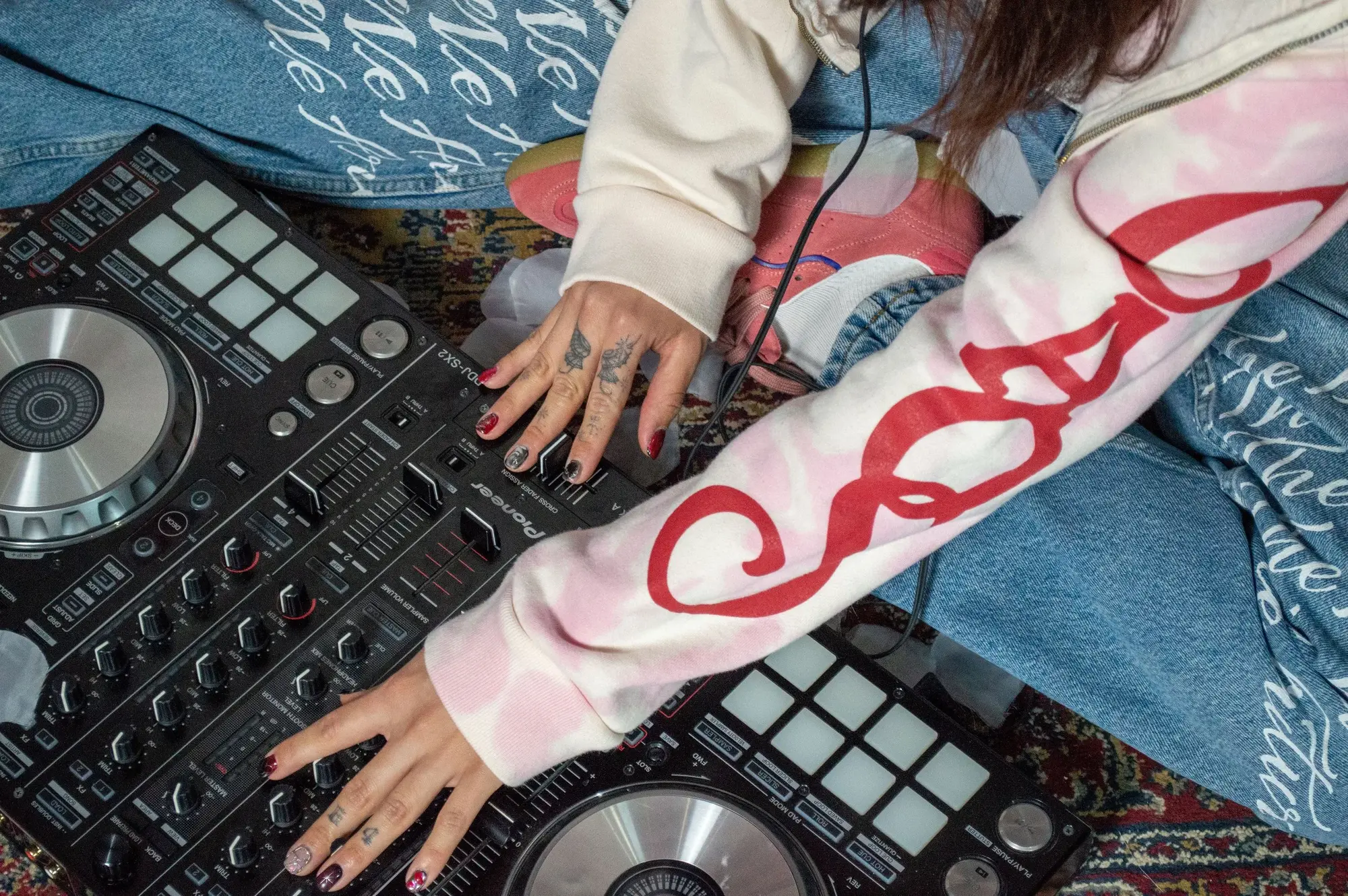 CAOS CREATES / CHICAGO
The product underneath the artwork
Fabric content, knit, weight, dye process, surface texture, seam construction, and fit all change how a garment wears and decorates. A soft lightweight tee can support one goal while a structured heavyweight tee supports another; neither is universally premium.
We narrow options using the real project constraints, then check colors, inclusive size ranges, available inventory, transit, and decoration compatibility. When the decision is high-stakes, a physical sample is the best way to evaluate fit, fabric, and color before committing to a bulk order.
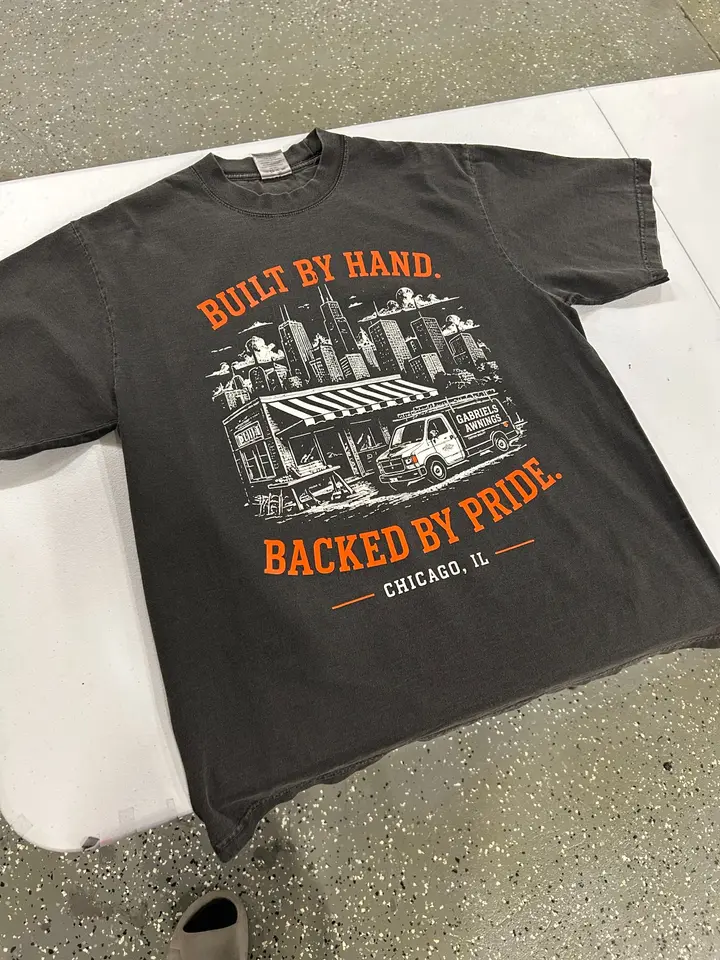 ACTUAL CAOS WORK
From our shop
Weight, color, texture, and fit influence how artwork sits on the garment and how premium the final merchandise feels.
View the production piece Make Something Like ThisInside the work
We establish the wearer, setting, season, fit target, price point, quantity, deadline, and brand position.
Print locations, ink system, embroidery size, heat exposure, labels, and finishing narrow the viable garments.
Options are compared by fabric, weight, construction, fit, color range, sizing, stock depth, and cost.
Inventory is reviewed by exact style, color, size, and warehouse because a catalog listing is not a production reservation.
A sample can confirm hand feel, drape, opacity, measurements, dye character, and decoration surface.
The final garment matrix is documented and ordered against the production schedule.
Expert production choices
Garment price matters, but the wrong color, fit, or fabric costs more after it is decorated.
Cotton, blends, polyester, fleece, and performance fabrics respond differently to ink, heat, needles, shrinkage, and wear.
Weight influences drape, opacity, structure, seasonality, print surface, shipping, and perceived value.
Retail, relaxed, oversized, unisex, and performance fits use different proportions; the size label alone is not enough.
Garment-dyed, pigment-dyed, reactive, and polyester goods can introduce variation, migration, or heat sensitivity.
The chosen color and style must exist across the required size range, not only in the core sizes shown first.
Blank price, freight, substitutions, decoration, finishing, packaging, and spoilage determine the real unit cost.
Sourcing brief
References are useful, but priorities let us find alternatives when a specific style is unavailable.
Where it shines
Before production
Every design, garment, and deadline changes the best production route. We'll review the details before we quote.
Yes. We review client-supplied goods for decoration compatibility and recommend sending extra pieces. Supplied garments should be new, clean, and separated by style, color, and size.
There is no single answer. Fiber, yarn, knit, weight, finish, cut, seams, dye, and intended aesthetic all contribute. A sample is the clearest evaluation.
For launches, uniforms, unfamiliar styles, or fit-sensitive projects, samples are strongly recommended before a large purchase.
No distributor inventory is permanent. We check availability before ordering and can recommend backup colors or styles when continuity matters.
Yes. Dark colors may require an underbase, some dyes can migrate, textured surfaces reduce fine detail, and heat-sensitive goods can limit production choices.
We do not silently substitute. Any alternative should be compared for fit, fabric, shade, size range, decoration compatibility, cost, and timing, then approved.
Built for your project
Send the artwork, quantity, garment type, print locations, and deadline. We'll recommend the production plan.
Start your project DESIGN / MAKE / DELIVER